














With the World Cup coming to Canada, Mexico, and more locally the United States, Foothill students and athletes were asked about who they were supporting, and more importantly, do they think that the United States is the right country to host it with what has been going on around the world?
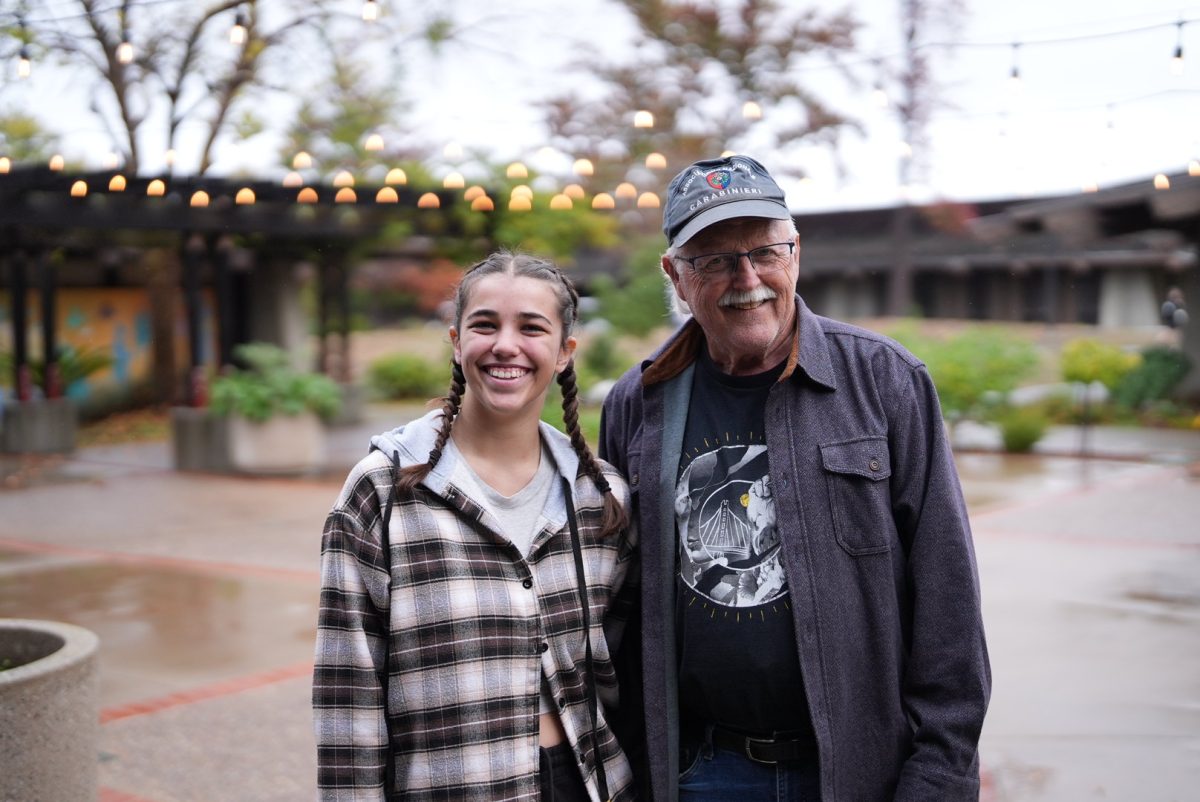
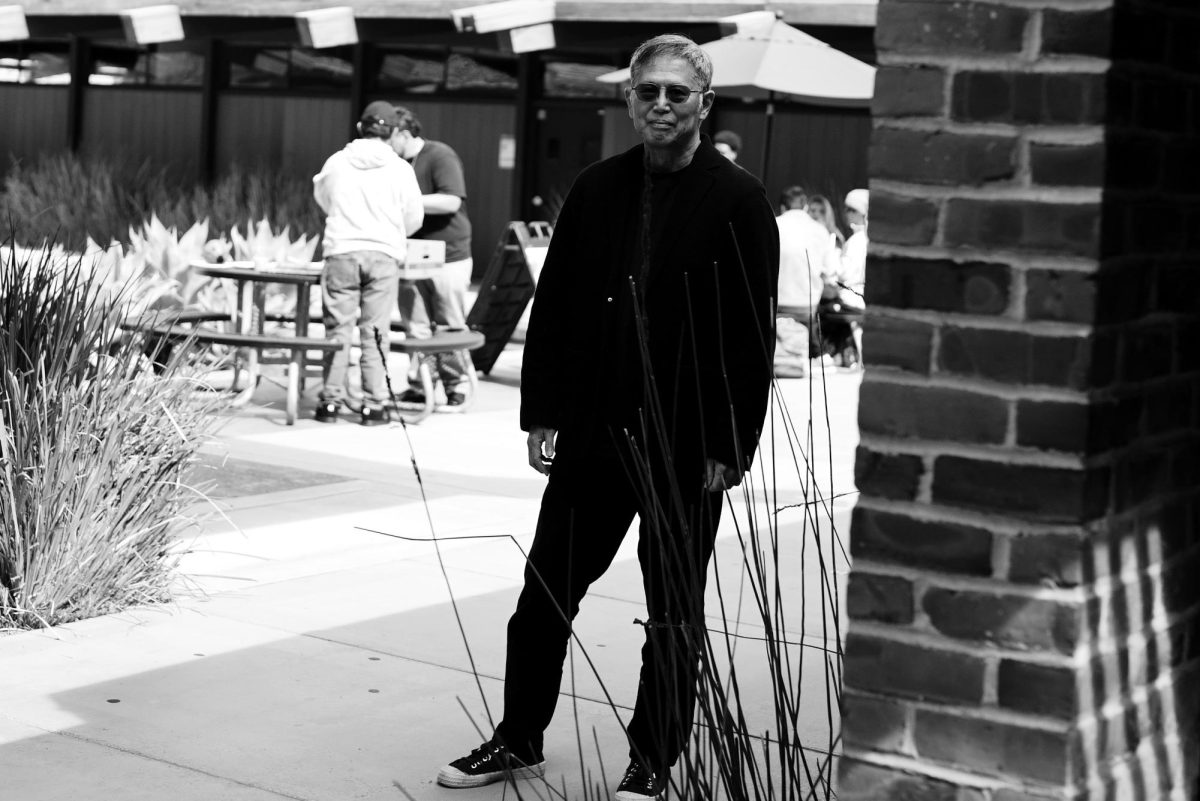
Everyone was excited about the World Cup being held here, John, a film major saying “Hopefully I am going to attend it. It’s my first World Cup.”
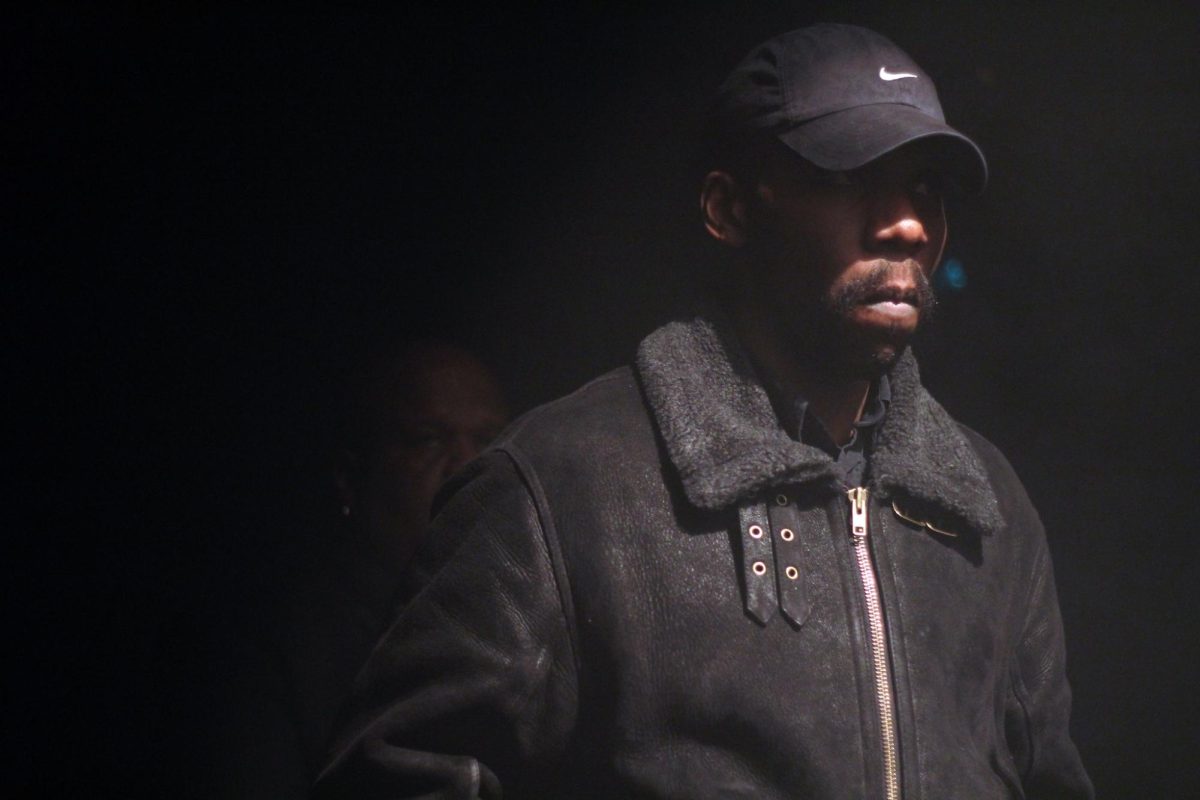
Jose, a soccer player here at Foothill, offered a more colorful response, telling us “Hell yeah, you already know this shit is going to be down. This is going to be good.”
While the opinions differed, one message was clear, keep politics out of sports.

Labourers from Nepal put up scaffolding for the launch of the World Cup logo. They start work long before sunrise to avoid the heat (courtesy of The Guardian).
Adithya, an electrical engineering major and a midfielder/forward for Foothill’s soccer team, mentioned “I don’t think we are anyone to judge what is right. I do think that The US is a big entertainer for sports and there’s a good hub here for that, but I don’t think some cities are meant for the World Cup like Santa Clara because it’s too small, but it’s a good global platform.”
Jose also didn’t agree with some of the city choices saying “I think here would be a very good spot because there [are] a lot of supporters but one spot I don’t think it should be hosted in is Mexico—Guadalajara because it’s crazy out there.”
“It’s good for the economy because a lot of people will experience American tourism and the nice places here and Canada and Mexico,” said John, reflecting on the positive economic impact of the World Cup. “It’s not only the US, and I think it’s good for tourists from Europe and all over the world.”
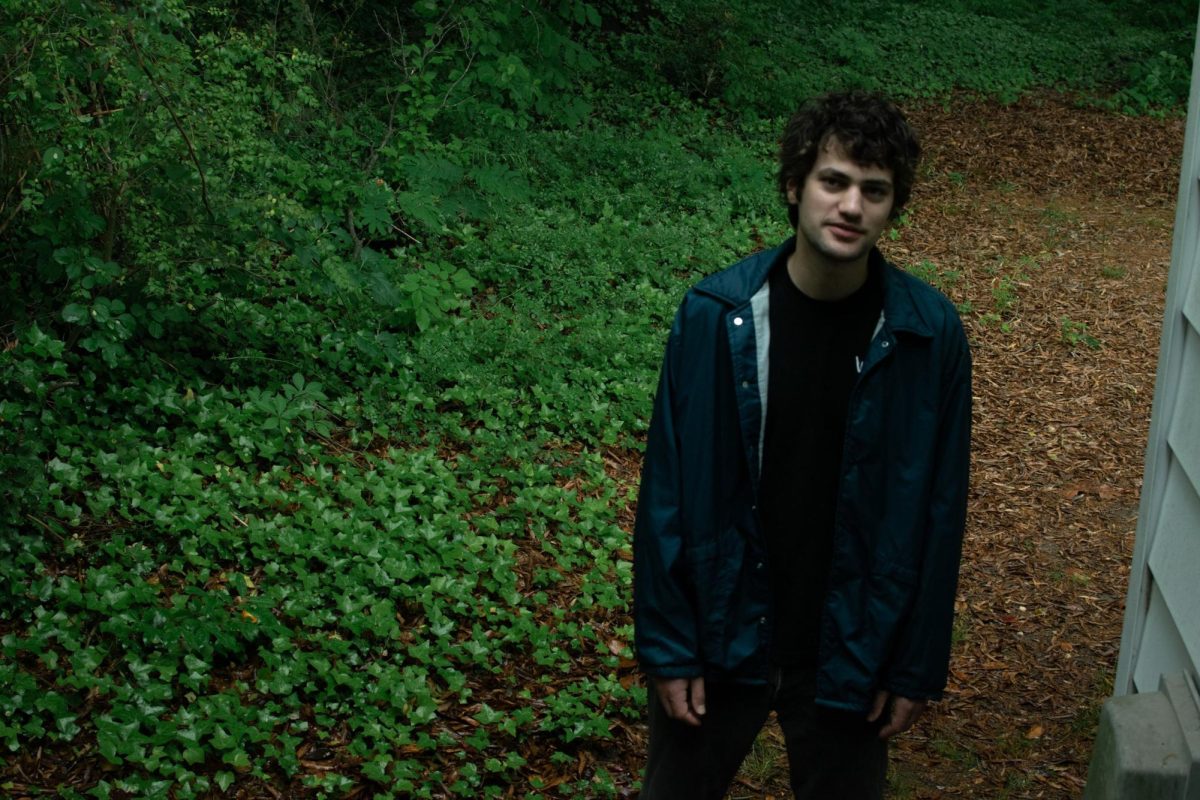
While that sentiment was clear, two soccer players mentioned how the World Cup is beginning to have a history of controversial locations, mentioning Qatar and Russia as examples. Psychology student Emmanuel said “I think in general [with] the World Cup, the locations vary because a lot of places… have been very divisive like when they did it in Brazil in 2014.” All of these students mentioned the crucial aspect of politics in debates regarding the ethics of sports.

Latha Bollapally, with her son Rajesh Goud, holds a picture of her husband, Madhu Bollapally, 43, a migrant worker who died in Qatar (courtesy of The Guardian).
Leading into the 2014 FIFA World Cup, Brazil promised publicly funded money would be set aside to fund infrastructure projects, with a separate, much smaller fund made exclusively from private money to go into stadium projects. Within 3 years, much of the publicly funded money went into stadium funds; yet almost none of the promised infrastructure projects were followed through on.

An exhausted migrant worker travels back to his labour camp at the end of the day in Qatar (courtesy of The Guardian).
On top of that, a 2014 report by the Human Rights Watch (HRW), a group focused on human rights violations, highlighted some of the violations committed by Brazil. Due to the projects, over 100,000 people were forced to move out of their houses all over the country. The public was not happy, and so they took to the streets in protest. As a result, Brazil began to start using tear gas, pepper-spray, and rubber bullets on protesters. In one instance, a cop hit a journalist in the eyes with rubber bullets. While FIFA was not directly involved with these controversies, it made people wonder if there should be some restrictions on who should be allowed to host a World Cup.

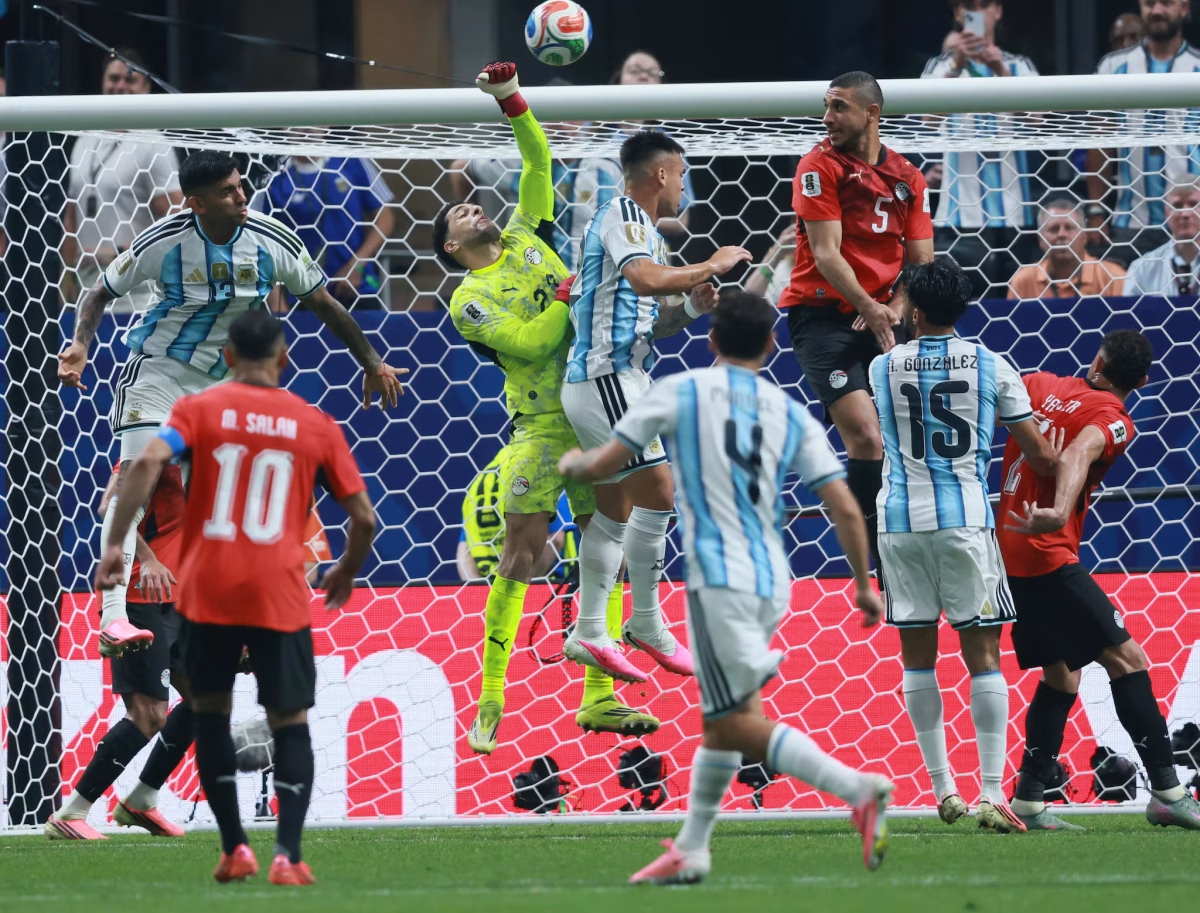
Leading into the 2018 FIFA World Cup in Russia, another report came out by the HRW. This report alleged that Russia was using at least 110 North Korean forced laborers in the building of stadiums for the World Cup. Tragically, one of the forced laborers was found dead inside a storage container next to one of the stadiums being built for the 2018 World Cup. According to the HRW, the North Koreans working in Russia were forced to send the majority of the money they earned back to Pyongyang, which violated UN sanctions. In the end, the stadium construction death toll claimed the lives of 21 of the workers. Meanwhile, various soccer superstars like Egypt’s Mohammad Salah were featured in political propaganda during the lead up to the 2018 World Cup.
In a report by the Building and Wood Workers’ International (BWI), they stated “most of these deaths were because of falls from heights or because of heavy equipment falling on workers, tragedies that could have been averted if safety and health conditions were enforced.” The report also provides more violations Russia committed related to hosting the World Cup, including LGBTQ+ violations.

Ahead of the 2022 FIFA World Cup, Qatar required $220 billion to fund infrastructure projects for their World Cup. Once again, the World Cup death toll tragically claimed the lives of migrant workers, and 37 people lost their lives building the stadiums, sparking debate about forced labor being used in the building of infrastructure for the World Cup. Yet, just one year later, most stadiums used in the 2022 World Cup were left collecting dust. Qatar follows Kafala Law, which according to Georgetown University “binds workers through contract to a kafeel (sponsor), who controls their immigration status. The kafeel has full control over contract terms, including wage and accommodation, as long as state law is not violated.” They target poor countries, forcing workers to pay an entrance fee, mostly under loans, and forcing them to work only when the employer permits. On top of that, when they enter the country, the kafeel takes the workers’ passport, making it harder for them to leave.
The three countries picked this year luckily do not provide as many issues. Unlike the previous World Cup tournaments, a lot of the infrastructure already existed due to all the world-class sports teams and stadiums located around North America. Unfortunately though, the World Cup is supposed to be a time when people come together and celebrate. In the United States right now, many of the diaspora and people coming into the countries don’t feel safe. Some countries have threatened to pull out due to the safety of their people. John, the Foothill film major, briefly mentioned it saying “Unfortunately Russia is not a part of it.” John mentioned how he is from Russian descent and wanted to see his country compete in the place he now calls home. Russia has had its fair share of global human rights violations, but how can it go from hosting a World Cup to being banned from competing in it a tournament later. On top of that, according to CNN, nine in ten residents currently do not feel safe in Guadalajara. As a sports fan, you can’t help but think that there should be guidelines or restrictions on host countries.

Though meant to be a fun and exciting game, for the Foothill students we spoke to, the excitement is real, but their responses also showed their conviction that the World Cup is no longer just about soccer. Whether you are supporting Cape Verde, Curaçao, Jordan, or Uzbekistan who are qualifying for the first time, or you’re a fan or Brazil, Argentina, Spain, or France coming into what has become a quadrennium tradition, the World Cup is meant to be a time of excitement, not fear.
What are your thoughts on the World Cup? Let us know in the comments below!