




















Tuesday afternoons spent on a Zoom call aren’t always my first choice of activities. However, on Tuesday, October 23rd, Foothill’s photography department hosted Alejandra Rajal, whose energy burst through our computer screens. Rajal, a profound photographer, has published her work in many impressive magazines such as National Geographic, Wall Street Journal, The Washington Post, and more. Her captivating presentation reminded attendees that photography isn’t just about images, but the power to connect deeply with the world around us.
Beyond Rajal’s interests in rock climbing and traveling, the aspect of her identity most reflected in her photography is that she was born and raised in Mexico. She was indirectly inspired by photography from a young age, describing her reaction to images in National Geographic magazines, remarking that they showed her “realities [she] didn’t know.” Growing up in poverty, she could not travel to see these places herself, so she lived through the photographs.
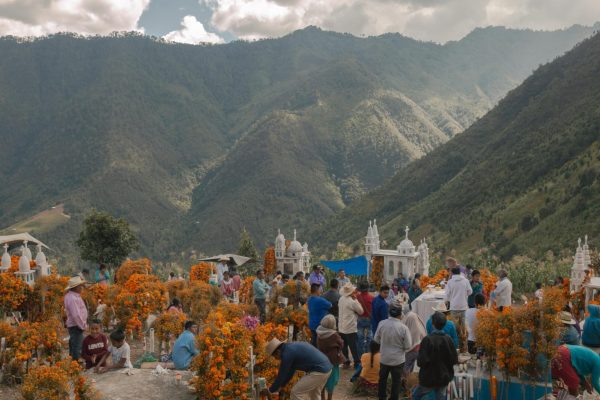
In the middle of the cornfields of the Guerrero mountain, a small cemetery is erected in the town of San Agustín where people celebrate the Day of the Death.
Rajal recalled, “All I had was a dream,” highlighting the uncertainty and vulnerability she faced at the start of her journey. When she told her unsupportive professors about her ambition to pursue a career in the arts, her dreams were “crushed.” Rajal, insecure at the time, accepted their words and believed that photography could never be a career. After five months in a dull job and feeling unfulfilled exploring other careers, she finally gave in to her unrelenting passion, deciding to commit fully to photography. Rajal purchased her first professional camera, describing her experience as “living my life through this camera.”
In search of opportunities, she attended various events and workshops. One pivotal moment came at the Encuentro Fotográfico México, where her portfolio was reviewed and recognized, giving her a sense that her dream could be achievable and marking the beginning of her professional career. Rajal emphasized that everything that happened afterward was a result of her determination and hard work. She advised the audience to “learn to trust your gut; it will show you the path.”
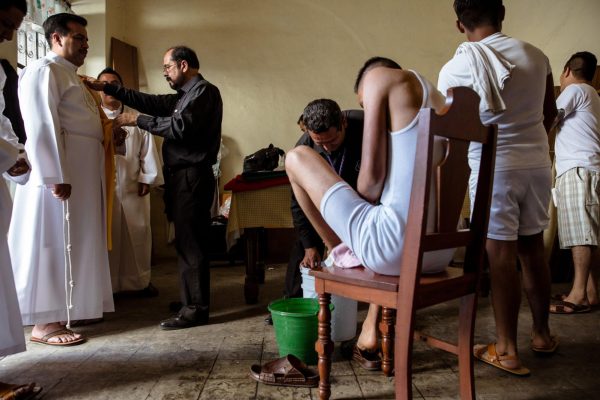
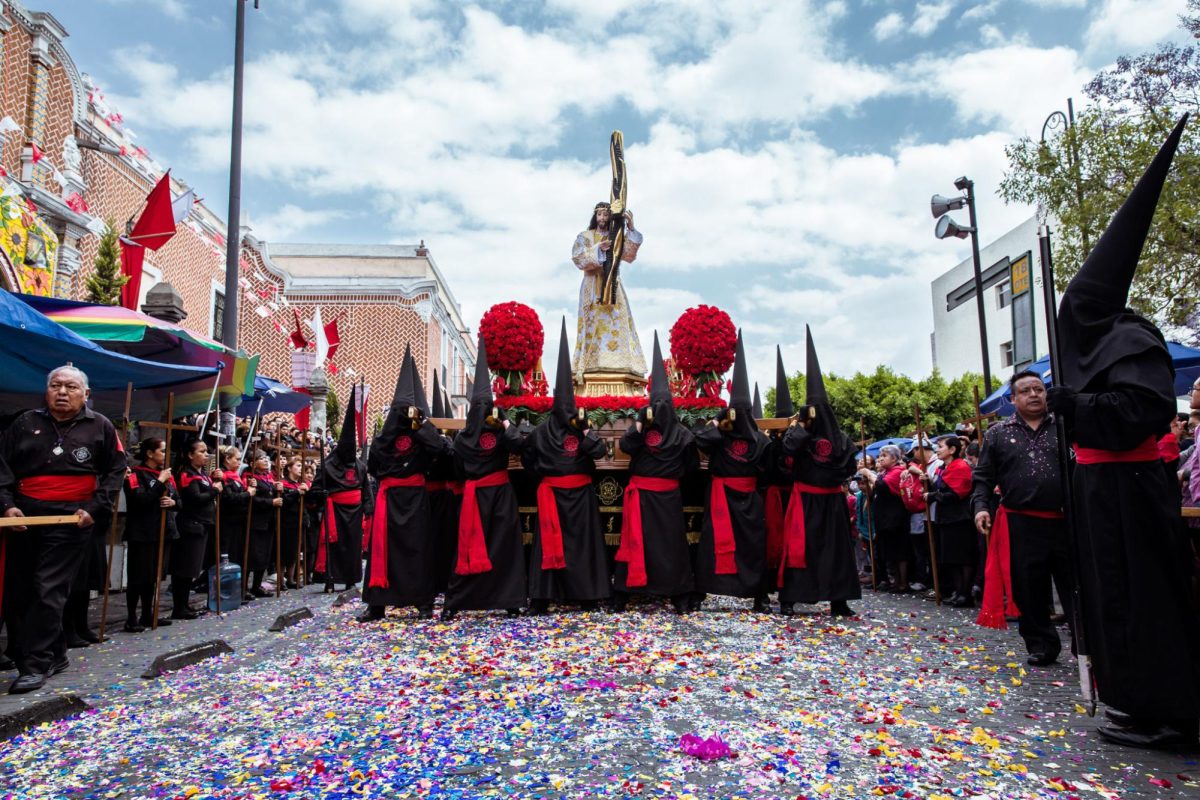
From the project Cultus.
Rajal emphasized the importance of the process of photography including her extensive research and organization, working heavily with notebooks to take detailed notes and record her thoughts. Rajal’s first major project, Cultus, explores a Catholic group in Mexico. Cultus went beyond creating beautiful photos; it was about discovering the people behind them and sharing their story. The project began when she followed an overnight pilgrimage which expanded into a multi-year exploration of the group’s faith, rituals, and daily practices. Rajal spent extensive time inside churches, documenting religious ceremonies and the lives of practitioners, looking to understand the cultural and historical context behind their traditions. Her work highlights how these traditions, which are often forgotten in Mexican society, continue to evolve and hold significant meaning for its members. The photographs capture the devotion, rituals, and belief systems, and are published in National Geographic.
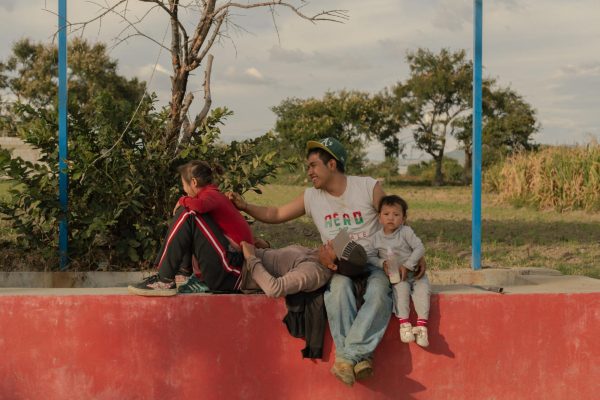
Rajal’s second project stands out for its empathetic approach, showing a human side of global issues like climate change. The Changing Wave focused on communities along Mexico’s Caribbean coast affected by climate change. Rajal spent time with a local family to understand how environmental changes were impacting their daily lives and the economy. She collaborated with the community by providing cameras for residents to document their own experiences, and said that through connecting with the people and the place, she can accurately tell a story. The project was later chosen by Fujifilm’s GFX Challenge Grant, which supports photographers in capturing important social and environmental issues.
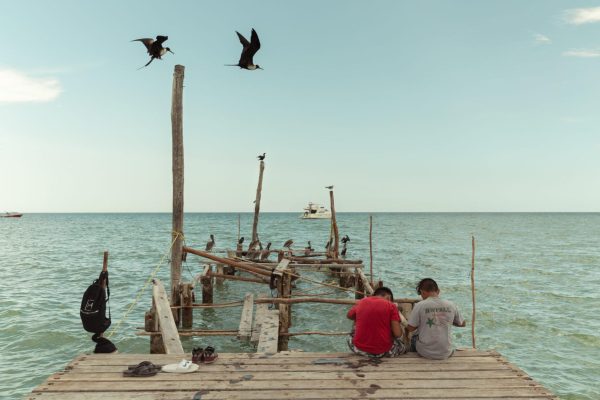
A couple kids play in a deck by the sea. Quintana Roo, Mexico.
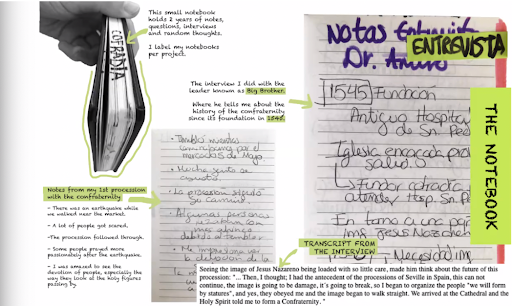
A Sample of Rajal’s Project Notes
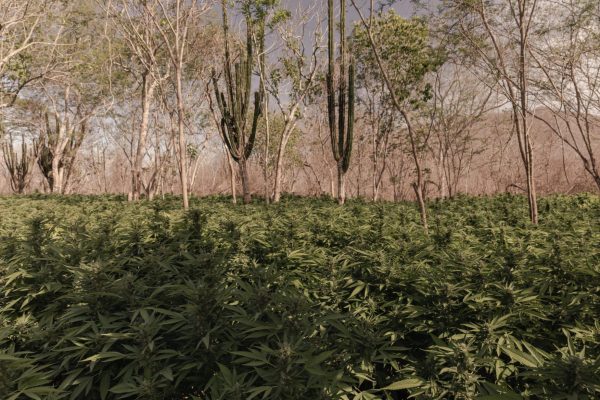
In addition to pursuing her own personal projects, Rajal has taken on many commissioned assignments. She walked us through some of her assignments and revealed how each project challenged her creativity and skills as a photographer to grow. For one assignment, she was asked to capture the energy and importance of the Mexico City subway system. Another story explored Mexico’s shifting relationship with cannabis which was a topic she approached with sensitivity and curiosity. She not only documented the protests and politics, but the people and plant behind the movement.
The project that pushed Rajal far outside her comfort zone was an assignment covering water problems in mega cities involving photographing animals for the first time. She felt very lost when it came to this assignment and learned to take advantage of all of her resources. The project ended up being such a learning experience for her and showed the importance of staying open and curious. She urges the audience to “always ask for help.” Alejandra Rajal describes photography as a tool; it is her way of showing her “view of the world.” Each image she creates holds a piece of the stories she’s heard, the people she’s met, and the places she’s explored. Through her work, she reminds us that sharing how we see the world can be one of the most powerful acts of connection. Her own story inspires all of us to shoot for the stars and follow your passions no matter how uncertain they are. With determination and love, success will follow.