
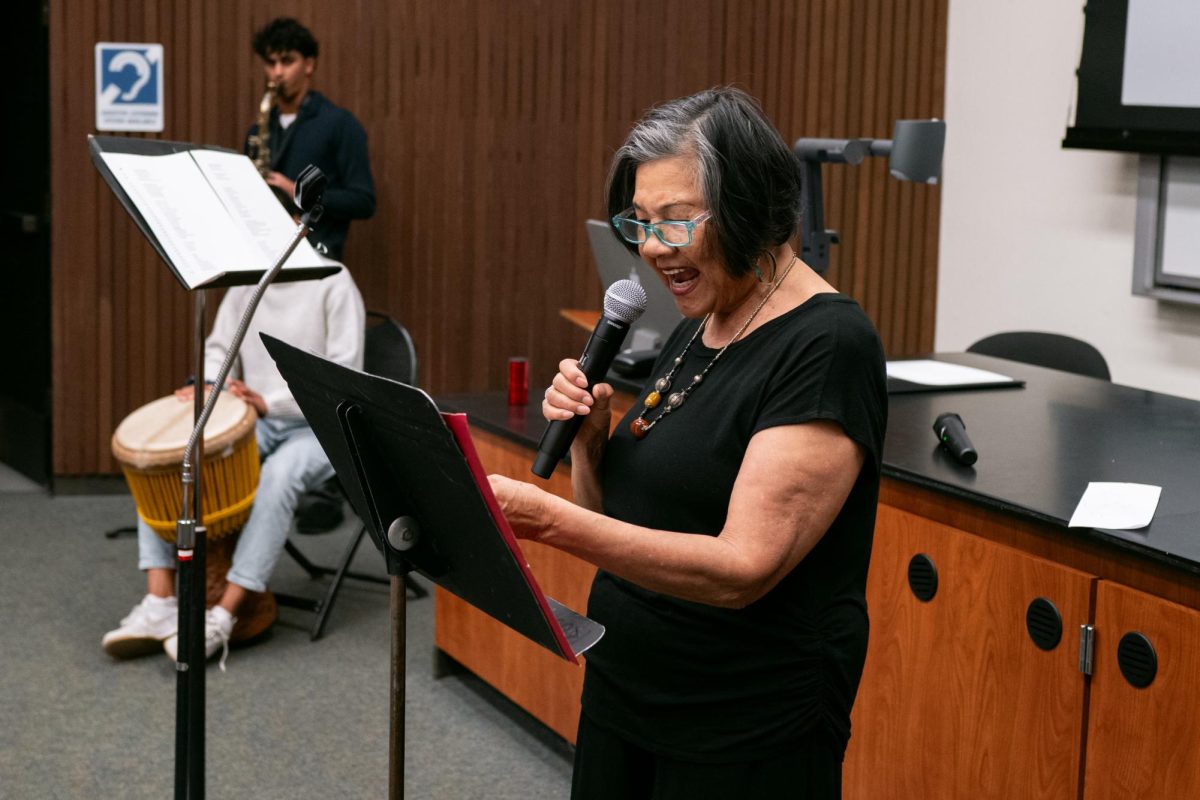









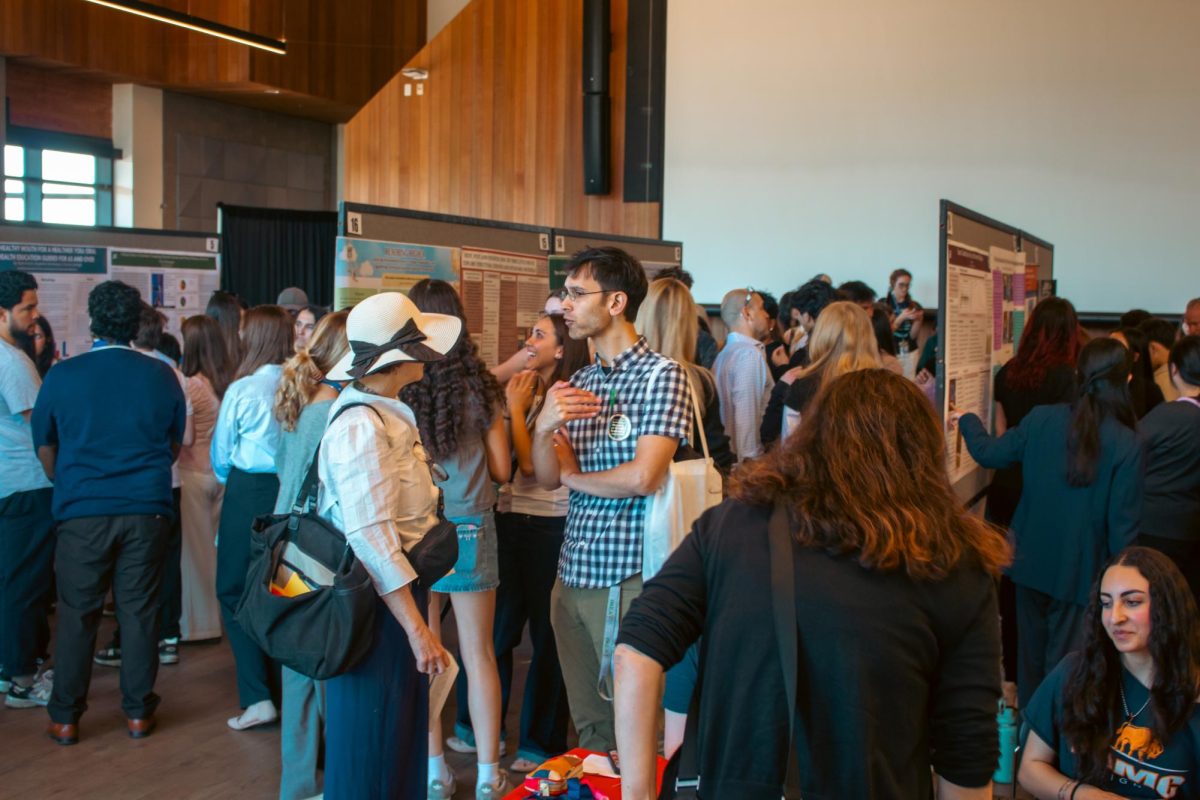


After her performance at Foothill’s Ethnic Studies Summit on Wednesday March 4th 2026, San Fransico Poet Laureate Genny Lim generously sat down for an interview with The Foothill Script. Though she is the ninth San Francisco Poet Laureate, Lim is the first Chinese American to hold that post. “It’s been a long time coming,” Lim observed, “Taking on this role as the ninth San Francisco Poet Laureate as a Chinese American is a big deal for our community, and they’re very proud.” Noting that her appointment was a validation of Chinese Americans as a community, Lim said, “I feel the onus as well as the honor of representing our communities.”
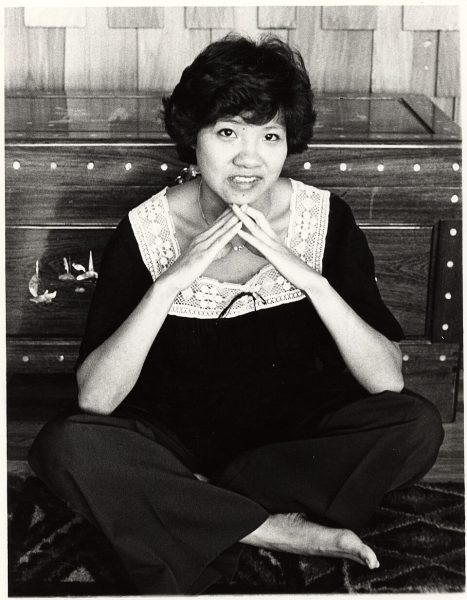
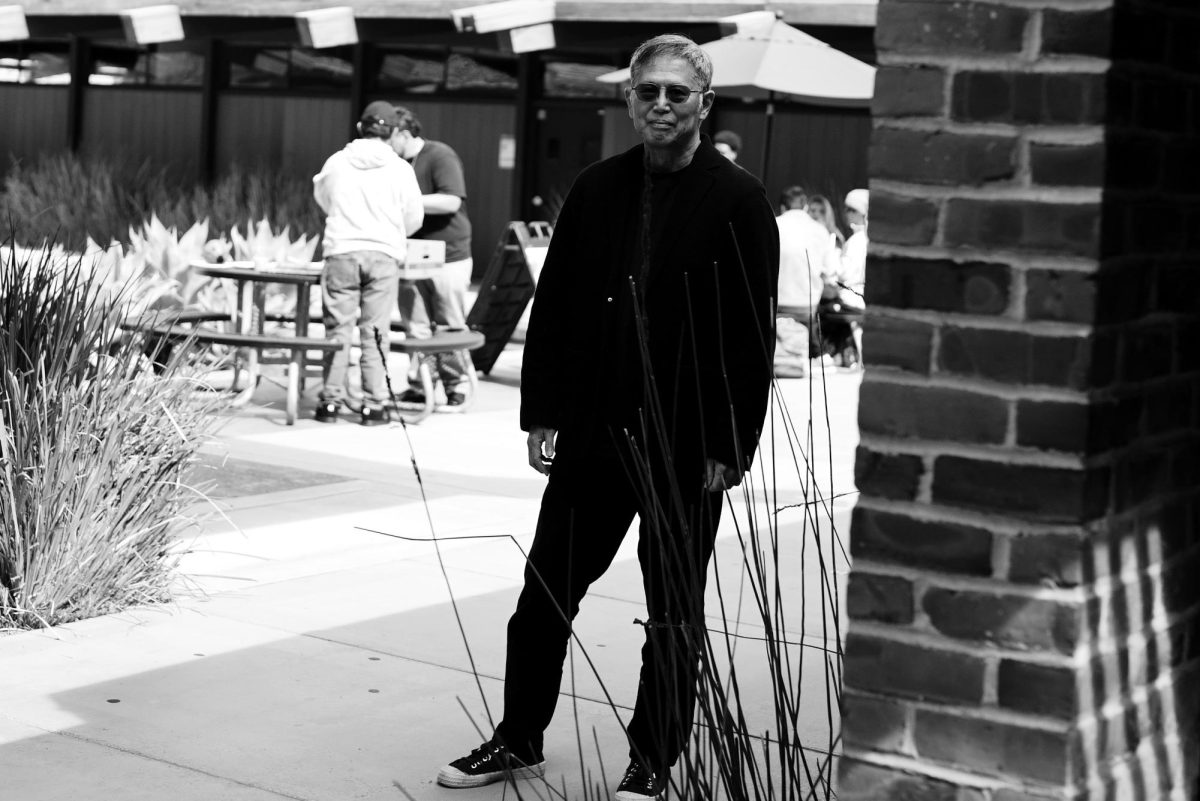
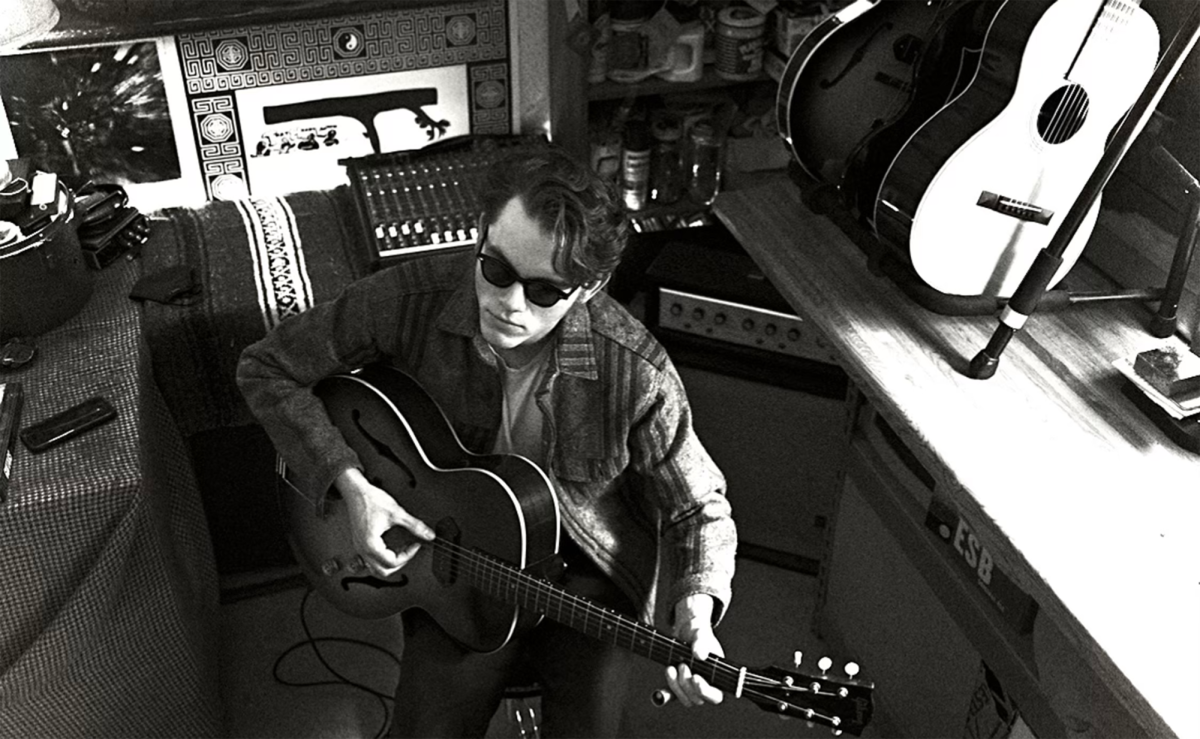
Genny Lim in 1975
Discussing her discovery of poetry as a child, Lim cited her sister as an inspiration and influence as well as the intriguing selection of books at the City Lights bookstore. In a foreshadowing of genres that would continue to interest her as an artist—plays, poetry, and Buddhism (all in thin enticing volumes) were shelved, side by side, in the basement at City Lights. Lim pulled them out, one by one, and studied the visual appeal of the words on the page. “I didn’t really understand, you know, a lot of it because I was only ten years old, but there was something about the aesthetics of poetry that really resonated for me,” Lim said. Even at that early age, the words of poetry called to her; there was “something about the alliteration, the cadence and the flow of the language, as well as the emotions that they aroused in me,” Lim said. “I was very drawn to the beauty of the language and also the defiance.” She admired the freedom poets demonstrated, saying what they wanted without thinking about the consequences. “A writer could be… blasphemous, [could] use whatever [words] they wanted, even swear in their poems,” she said. “I was very impressed with that… it was a freedom in the language that I couldn’t find in other genres.”
A pioneer for people of color in the world of broadcast journalism before she began her career as poet, Lim was the first reporter on the scene when the Wounded Knee protests broke out in 1973. The site of an act of genocide carried out by the U.S. Army in 1890 resulting in the massacre of three hundred Lakota people, in 1973 Wounded Knee became the center of national attention when the American Indian Movement (AIM) and Olaga Lakota activists, in a protest against governmental abuse of tribal people (among other issues) occupied the site in a 71-day standoff with the U. S. Army. At the moment the story broke, the CBS News bureau in Chicago, where Lim worked, had all their senior correspondents out on assignment. “And so, all they had was me, this rookie intern,” Lim said. “They said, ‘Oh shit, we sent out all the correspondents, and it would take them a while to get back to the bureau and get sent out.’” Anxious to get a story out as soon as possible, CBS raced to send out the new team, “Actually, we were the first news crew that got to Wounded Knee.”
Wearing stacked heels that made climbing and crawling through the AIM blockades a challenge, Lim made her way covertly past rows of armored personal carriers with which the government had surrounded the protesters. “We had to keep all our lights out, because the government was looking for any trespassers or people going in or out of the hamlet,” she said. “Every time they had searchlights, we had to hit the ground, you know, as the searchlight came around.” Describing the attitude of the supposed hostages as “more scared of being invaded by the government than they were of being hostages,” Lim related how she interviewed a range of people behind the blockade, including the protest’s leader, Dennis Banks. Trying to ship stories out, Lim was beset by technical hurdles and bureaucratic resistance. “They didn’t like what I was saying,” she observed wryly. “I started with, ‘It’s a Good Day to Die,’ and they almost died when they got it.”
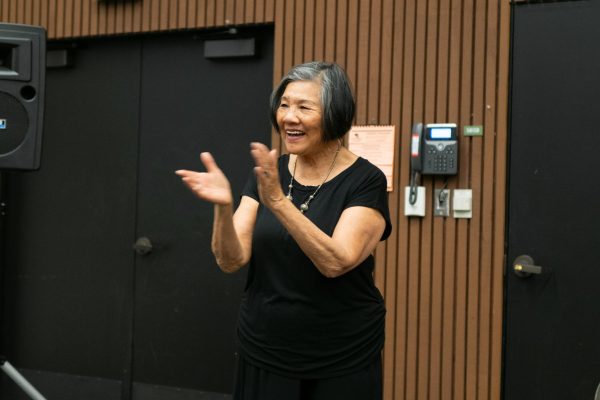
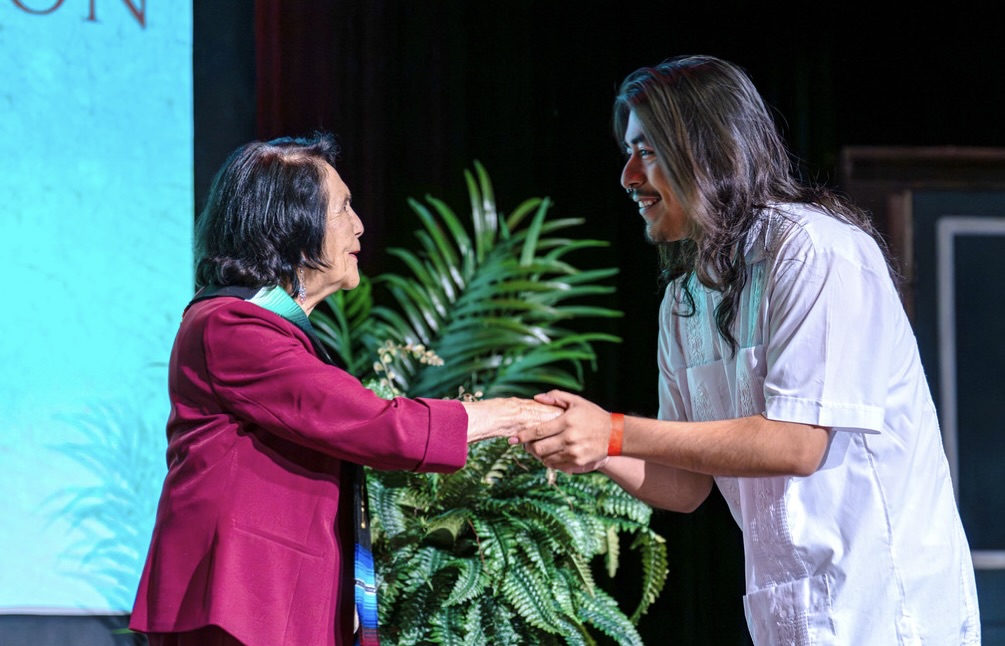
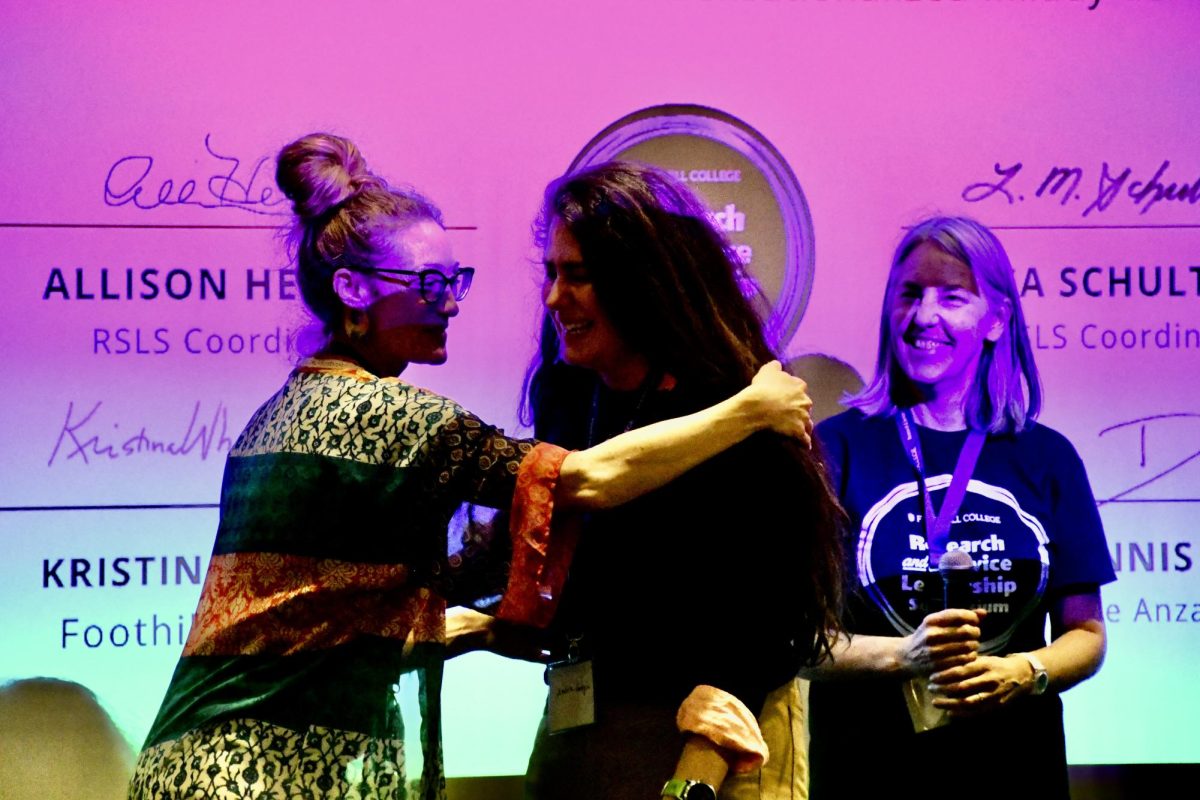
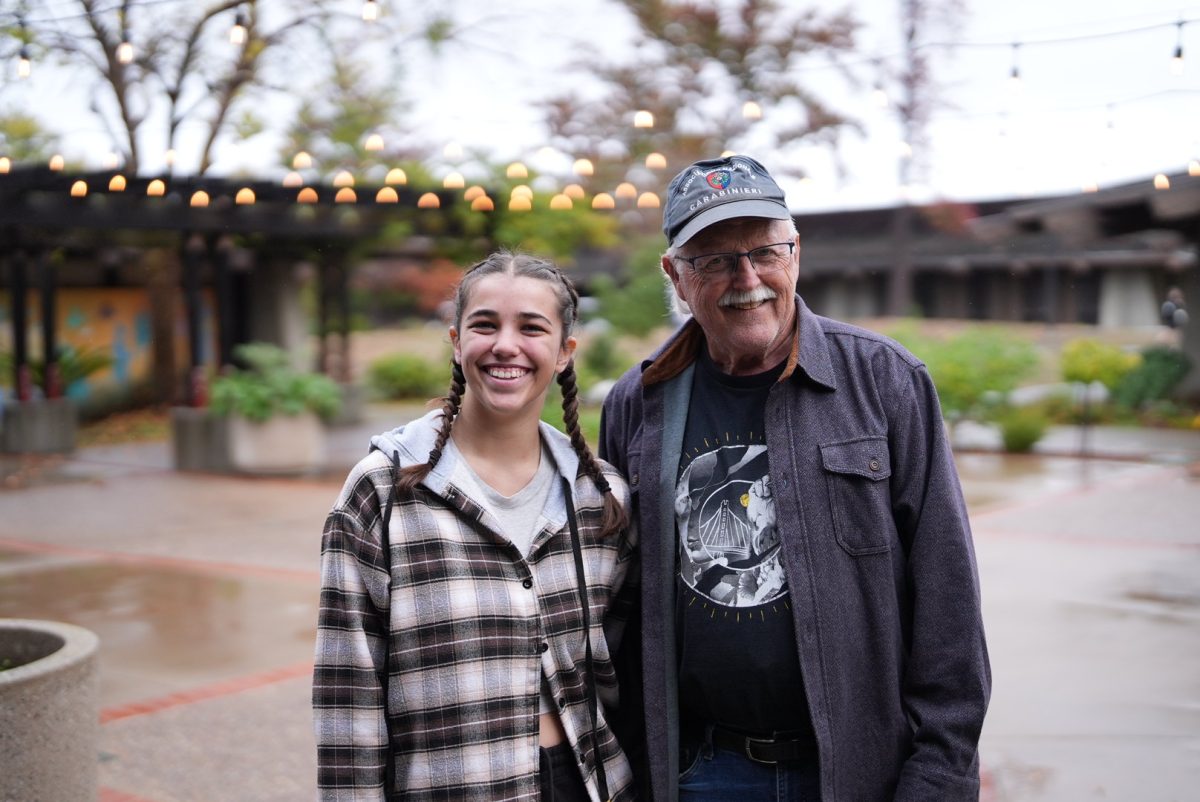
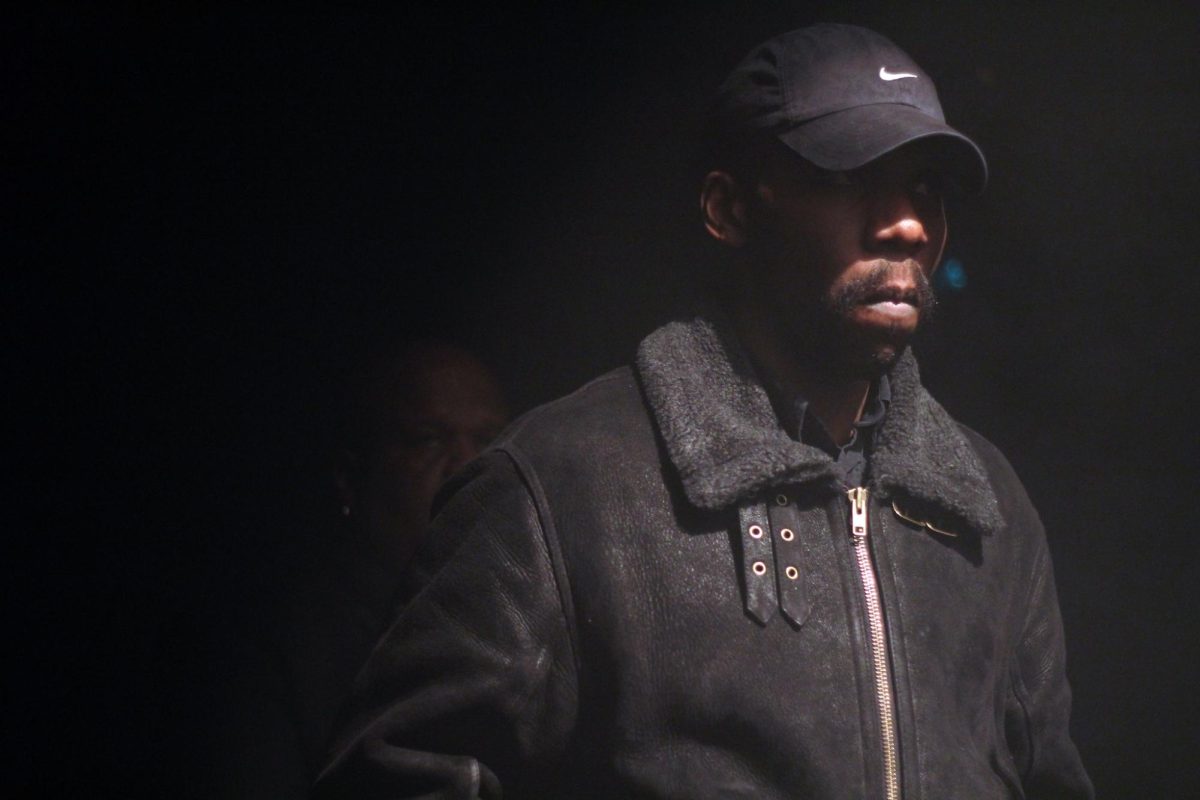
Genny Lim performing her poetry at Foothill’s Ethnic Studies Summit 2026
All of her reels confiscated by the FBI, Lim was recalled to Chicago by CBS; yet she was not the only journalist sent to cover the Wounded Knee protests whose coverage upset the network; reporters were sent in only to be recalled for writing stories which reflected badly on the U. S. government. Jeff Williams, a former Vietnam war correspondent was one of the next reporters to be sent in. “They pulled him out,” Lim said. “They thought his coverage was biased for the Indians.” Lim related how “if you’re the… correspondent or reporter,” responsible for a story that doesn’t please the bureau chiefs or the sponsors, “you catch hell… Yeah? Corporate media, there’s going to be censorship.” On her return from Wounded Knee, the bureau chief sat Lim down. “You’re not told, ‘you can’t say this,’ or ‘you can’t say that;’ but… when you’ve crossed the line, they’re not happy with you,” Lim said. “I was told, point blank, that my piece was in the trash can, where it belonged.”
Frustrated by the lack of freedom in the press, Lim realized that even though she was being objective in her coverage, the truth itself was seen as controversial by the network. “I wasn’t politicized, I wasn’t a communist, I wasn’t a card carrying socialist, or radical feminist,” qualifying the last statement with just a hint of humor, she added, “at that time.” She summed up her goal as a journalist by saying: “I just wanted to cover the news.”
The president of CBS told Lim, without mincing his words, that she should give up on journalism and try her hand at creative writing, instead. “It was an insult at that time,” Lim said, “meant to tell me… I didn’t have… what it took.” However, Lim thought about her experiences, and said to herself, “You know what, he’s right; I think I can tell the truth in creative writing… more so than I can through journalism.” Lim’s work as a journalist, and her first-hand experience of censorship, had a lasting influence on her poetry, “I value speaking truth to power more than I ever did.”
Asked for a parting piece of advice for Foothill students, Lim said, “Be who you are. You’re good enough.”
Nick Soliman
Jun 2, 2026 at 2:44 pm The Foothill Script Pick
Whoever edited this did amazing!
Ambra Gargini
Jun 2, 2026 at 2:46 pm The Foothill Script Pick
I agree; I’ve never seen better editing! Nick is awesome!
Vinhson Knight
Jun 2, 2026 at 4:40 pm The Foothill Script Pick