


















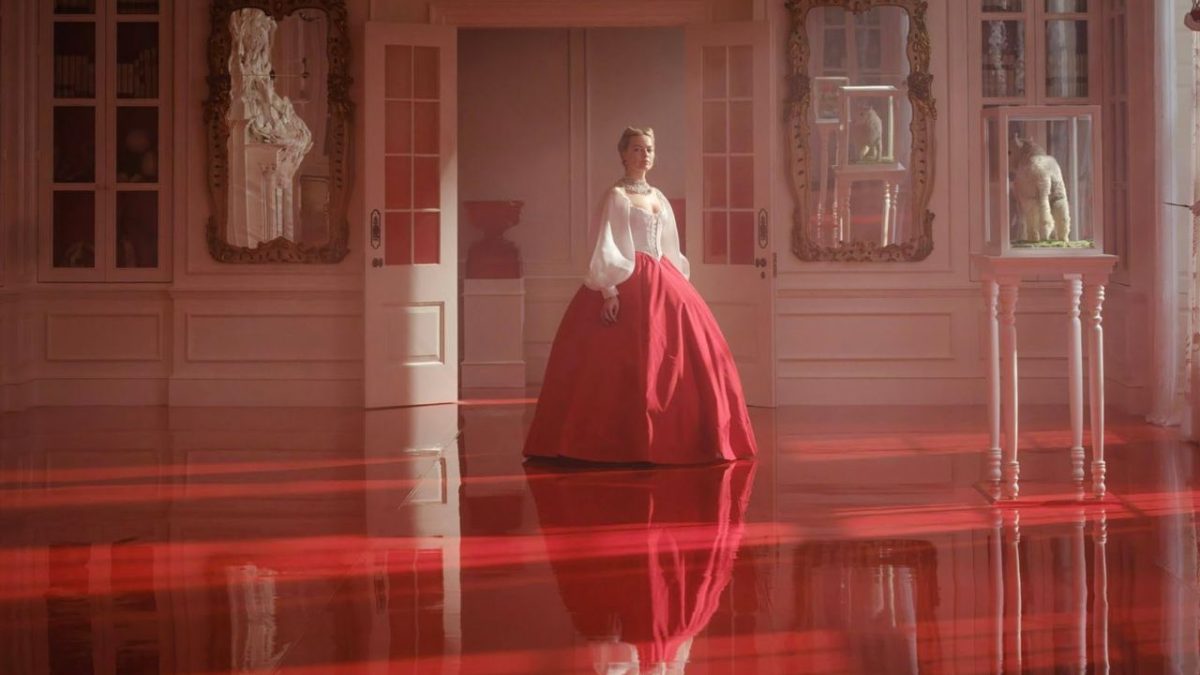
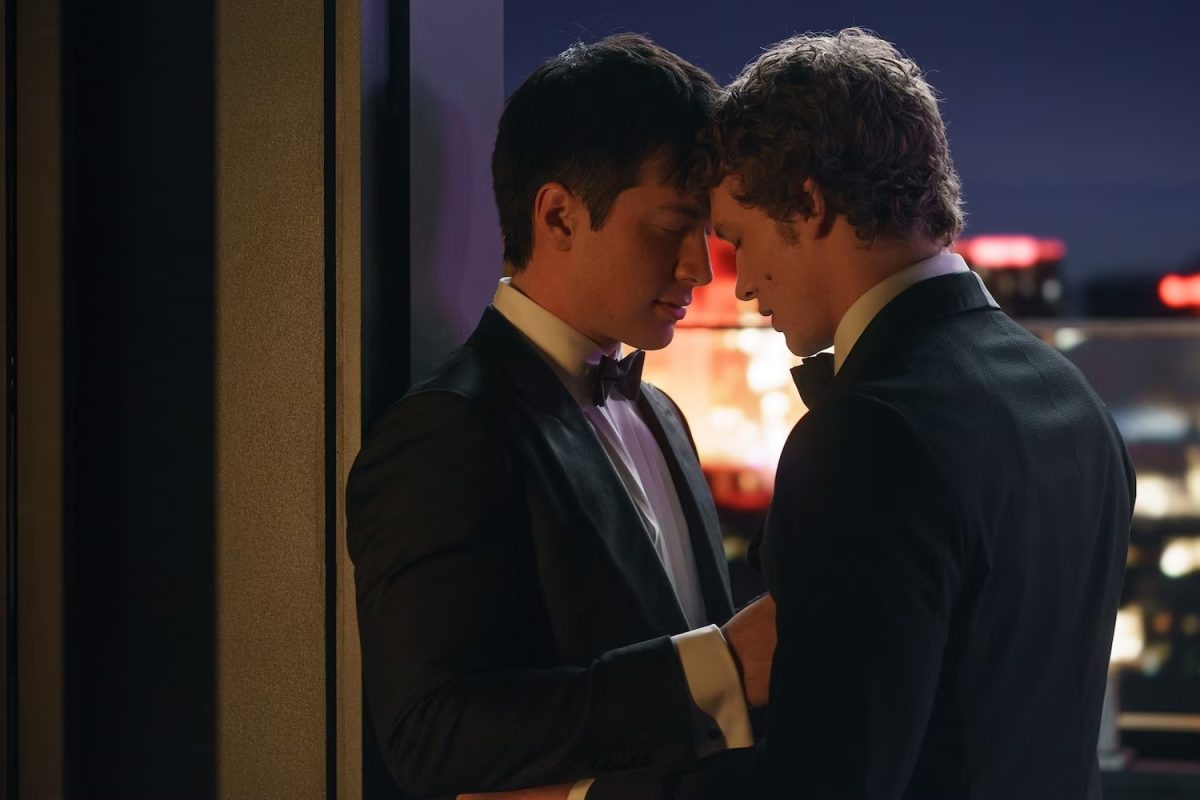
















Emerald Fennell’s Wuthering Heights is characterized by aesthetically stunning frames, a gorgeous color palette, and breathtaking sets that pull you into a dreamlike world of emotion and passion. Additionally, Fennell has directed films such as Saltburn, which provide a glimpse into her uniquely bold and provocative directorial style, especially how she approaches morally grey characters. Considering how much press and traction Fennel’s production of Wuthering Heights had gotten prior to its release and considering it’s an adaptation of one of the most classic novels by Emily Brontë, I wanted to approach the film without preconceptions of what it ‘should be’ and so went to the theatre with an open mind. After watching the film, I can safely say I thoroughly devoured it!
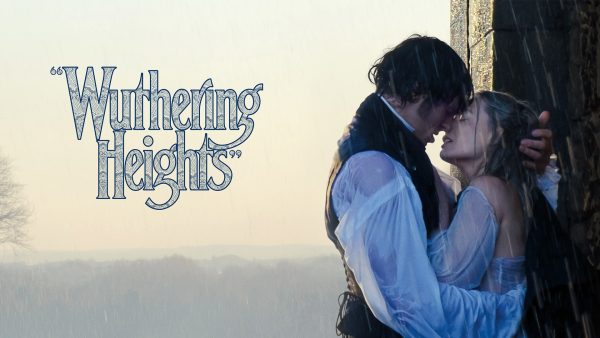 Wuthering Heights follows the passionate and obsessive relationship between Catherine Earnshaw, played by Margot Robbie, and Heathcliff, played by Jacob Elordi. Heathcliff is an orphan boy who is brought into Catherine’s family by her father and begins living with them. Over time, Heathcliff and Catherine’s bond grows stronger and evolves into a deeply passionate connection. The film explores themes of dark romance, social class, period drama, and revenge.
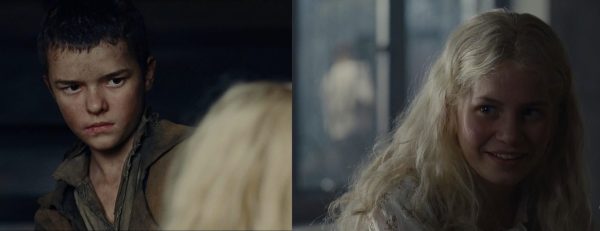
There is a strong sense of yearning in the first half of the film. Some of the most impressive performances come from the younger actors, Charlotte Mellington and Owen Cooper, who portray young Catherine and Heathcliff. They completely stole the spotlight for me. As Catherine and Heathcliff grow older, they realize they have developed deep feelings for each other. However, due to their class and social differences, they cannot be together. Catherine ultimately chooses to marry her wealthy neighbor, Edgar Linton.
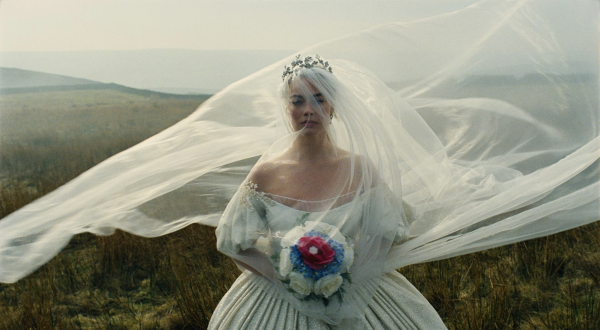
Heathcliff disappears after overhearing something devastating from Catherine believing that she does not truly love him and later returns as a brooding, hardened man. The second half of the film, however, feels rushed and at times becomes somewhat absurd. The abrupt editing and frequent cuts between intimate scenes make it difficult for the audience to fully sit with and absorb the emotional weight, especially when compared to the depth of the novel.
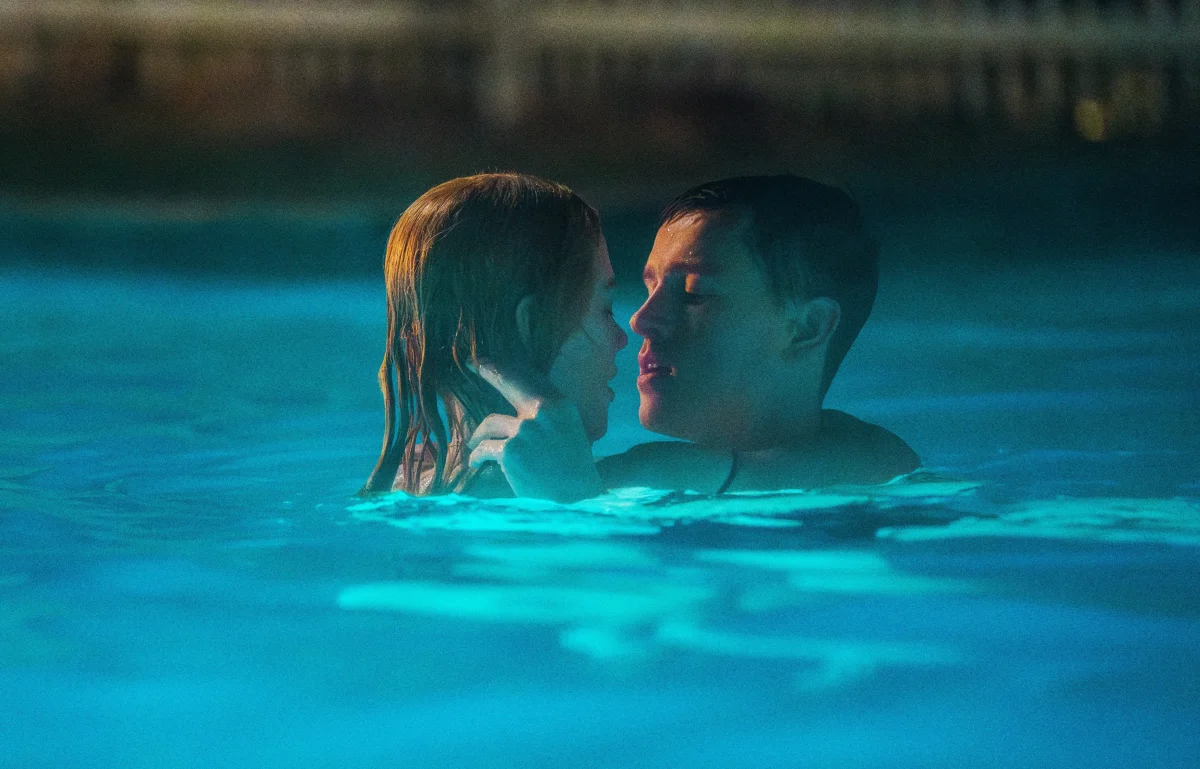
Nevertheless, the chemistry between Margot Robbie and Jacob Elordi is sizzling, the sense of longing between their characters extremely compelling. As someone who read the book years ago, I think Fennell does justice to the story to an extent, particularly in the way she builds these characters. However, the adaptation may fall flat for viewers who are heavily relying on the source material to be faithfully delivered.
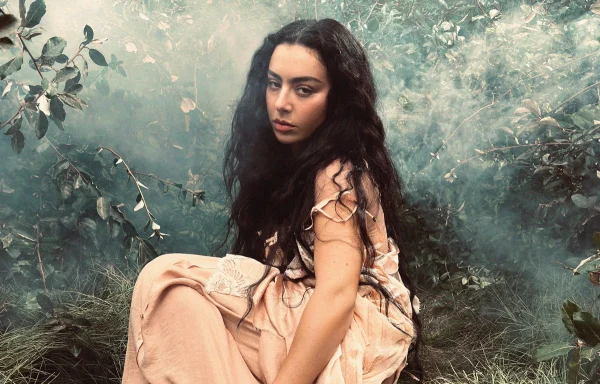
One thing I specifically want to highlight is that one can’t really wrap their head around how well Charlie’s XCX music complements the emotional intensity, characterized by its raw vulnerability which mirrors the tumultuous lives of the characters and their internal monologues. Her music has this mix of softness and chaos that feels a lot like Catherine and Heathcliff’s relationship, intense, messy, and emotionally overwhelming. It actually works because the feelings in the story are so raw and dramatic, and her sound captures that same energy in a modern way.
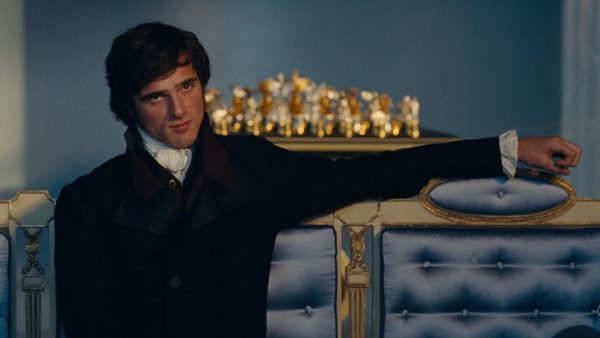
Another aspect that stands out to me is the costume design, which plays a significant role in reinforcing the film’s atmosphere and emotional tone. The costumes beautifully capture the period setting while also reflecting the characters’ social status and inner turmoil. Her wardrobe, in particular, slowly shifts from monotone to more colorful dresses once she enters the world of wealth and status through her marriage to Edgar Linton. In contrast, Heathcliff’s costumes look more refined in rugged clothing, evolving style mirrors his transformation throughout the film, especially when he returns as a hardened and distant man. Some of the very subtle visual choices really play an important part in communicating character development without the need of a dialogue, demonstrating how costume design can function as an essential storytelling tool in filmmaking.
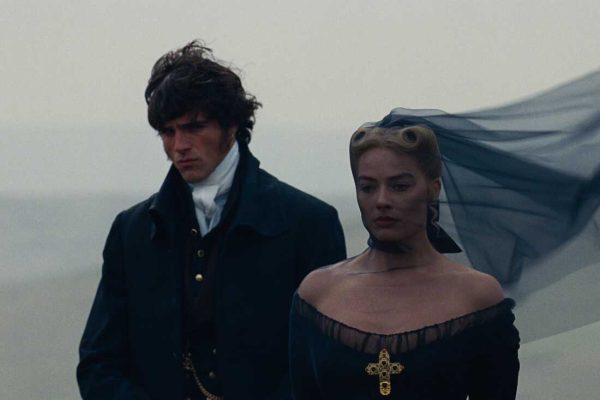
From a filmmaker’s perspective, I really enjoyed the cinematography. Overall, the film looks breathtaking on screen especially when viewed in IMAX. It feels like a modern interpretation of a classic love story originally written by Emily Brontë. The adaptation has divided fans of the novel, but its striking visuals and compelling performances make it an interesting interpretation of a classic gothic romance.Overall, if you go into the film without heavy expectations, you might end up really enjoying it.
Have you seen Wuthering Heights or read the book? Let us know what you thought of either (or both) in the comments below!