

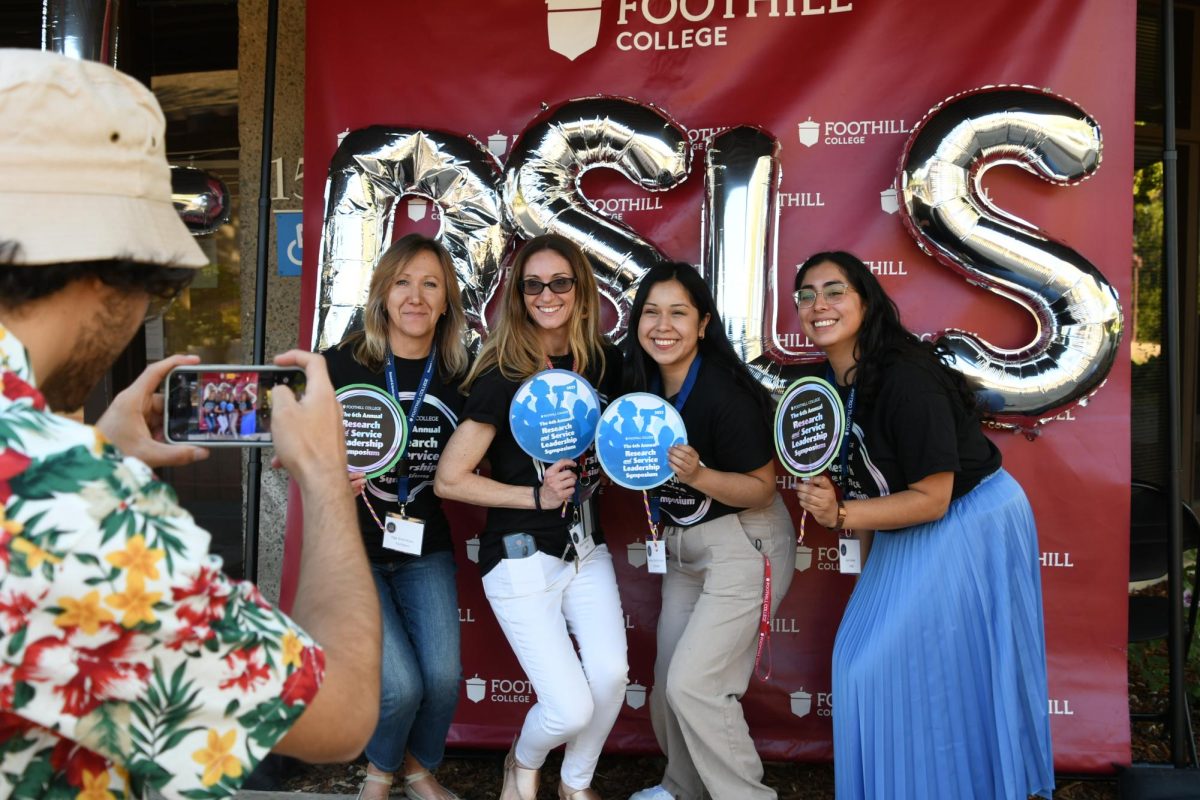
























As I was putting away my laptop at the end of math class, a fellow student approached me and asked, “You were one of the winners at last year’s RSLS, right?” I paused for a moment. It wasn’t the first time I’d been recognized from RSLS, but it always caught me by surprise. “Yes,” I said smiling, “I was.” She smiled back and said, “I’m interested in presenting at this year’s RSLS and I was wondering if you could give me some advice?” I said I’d be delighted to tell her anything that might be helpful. Afterwards, I began to wonder if there could possibly be other students who would, perhaps, like to hear a few tips from one of last year’s winners—if that sounds like you, read on!
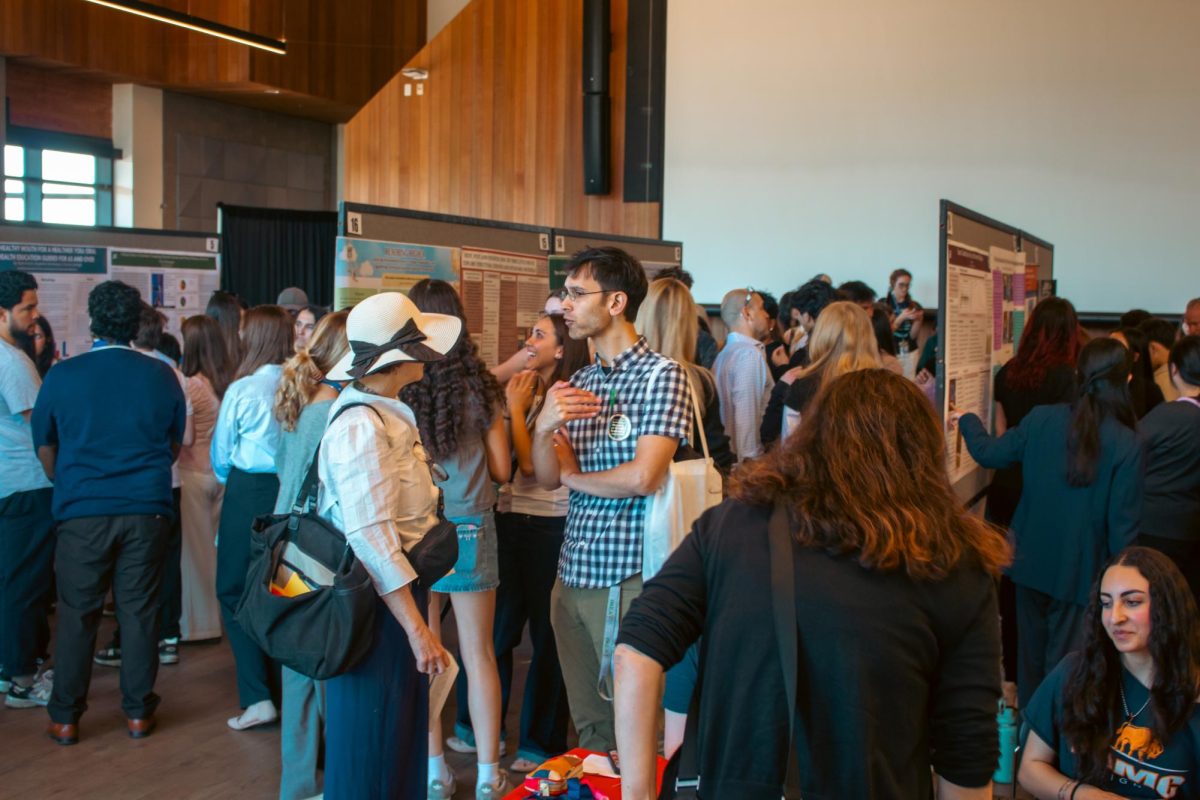
Foothill’s Research and Leadership Symposium (RSLS for short) is your opportunity to choose any subject you’re passionate about and raise awareness on a specific issue. Your project could be something you began in class or worked on outside of school. Either alone or as a team, students can present a ten minute talk with a slide deck or create a poster that they discuss with attendees who tour the poster gallery. Presentations fall into the general categories of research, service, and creative arts, but the boundaries between those three are fluid. There should be an element of research in all projects and additional aspects of service and creativity will add interest and value to any project.
Students don’t need to have a project built before turning in their RSLS application. Last year, when I attended my first RSLS workshop, I only had a general idea of what I would like my project to be. I had begun some research on how English translators had abridged and rewritten Alexandre Dumas’ novels and left them, to an extent, lost in translation, and I knew I wanted to base my presentation on that research, but I also knew I needed to narrow my project focus. Zeroing in on an aspect of my research to focus on, was something that the workshops and my mentor, Foothill English Professor, Dr. Kella Svetich helped me achieve. There is a great advantage to finding a mentor sooner rather than later, because a mentor’s advice is invaluable in helping to create and focus a project.
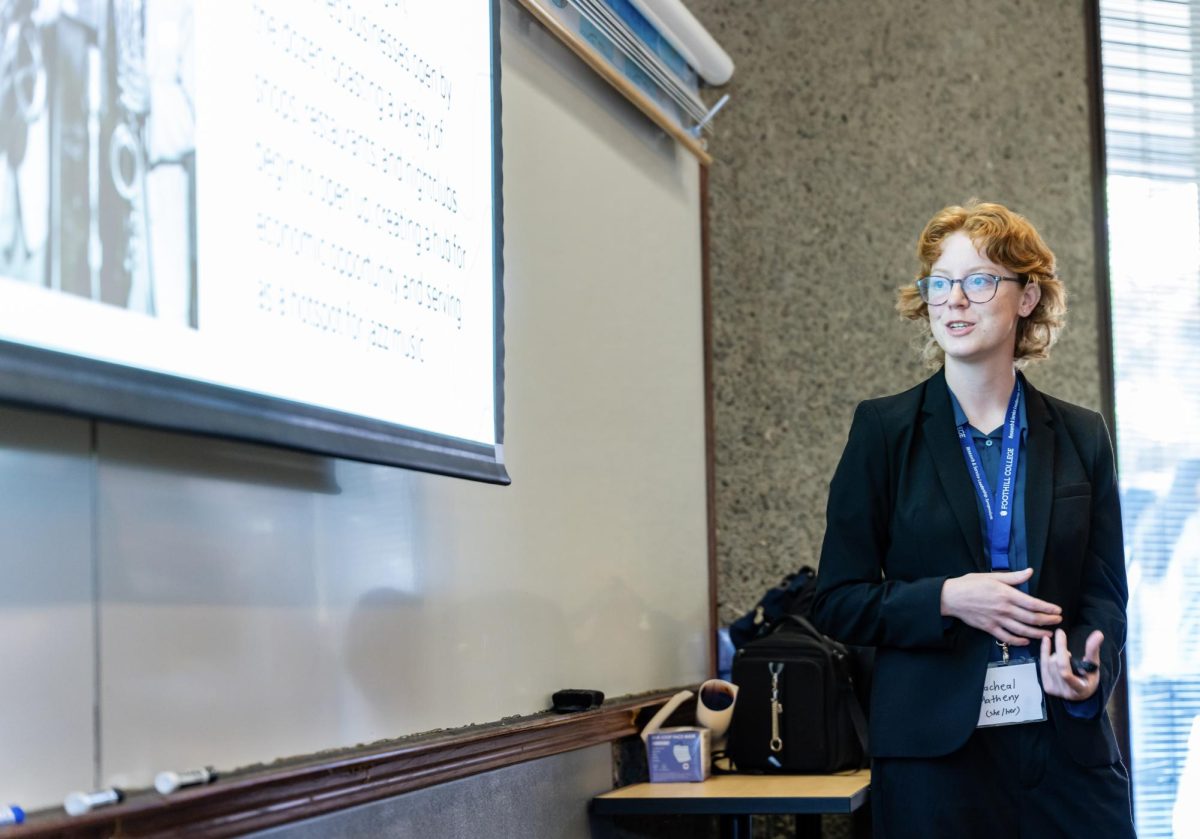
Concentrating on one key aspect makes a presentation stronger both from an academic perspective as well as allowing the presenter to go more in-depth within the limited time of the presentation window. As I discussed with my mentor how I could narrow my project focus, it became clear that what I wanted to focus on was translations of just one of Dumas’ books, The Three Musketeers, and, within that book, just one character: Milady de Winter. Narrowing my field of focus was the most important step I took in preparing to move my project to the next level.
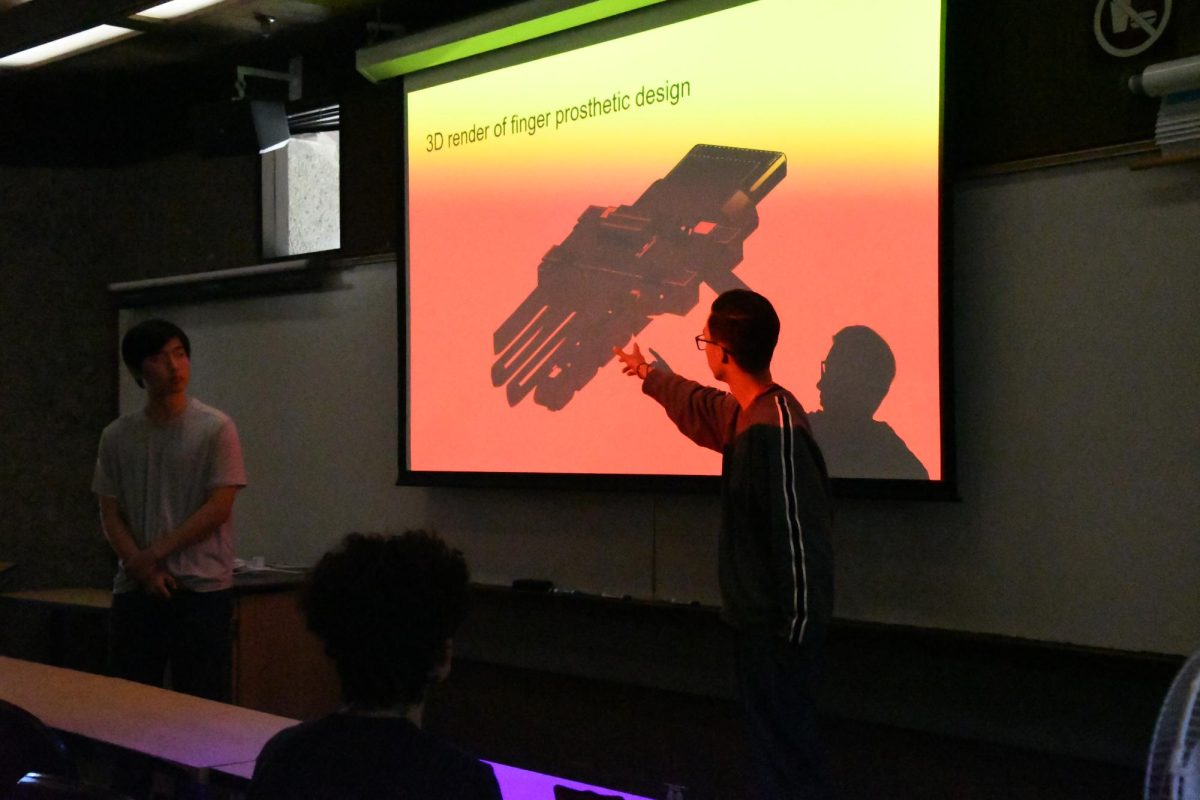
Now that I had my project focus, I needed to begin building my slide deck. The images are what make a presentation come alive by allowing it to reach the audience on a visual as well as on a verbal level. Keep in mind that the slide decks and posters are what the judges will view ahead of the symposium in order to get a sneak peek and decide which presentations they are going to prioritize viewing. While there is no one right way to create a presentation, as a general guideline, slides that feature images and a minimal amount of text are best at capturing the audience’s attention and making a lasting impression.
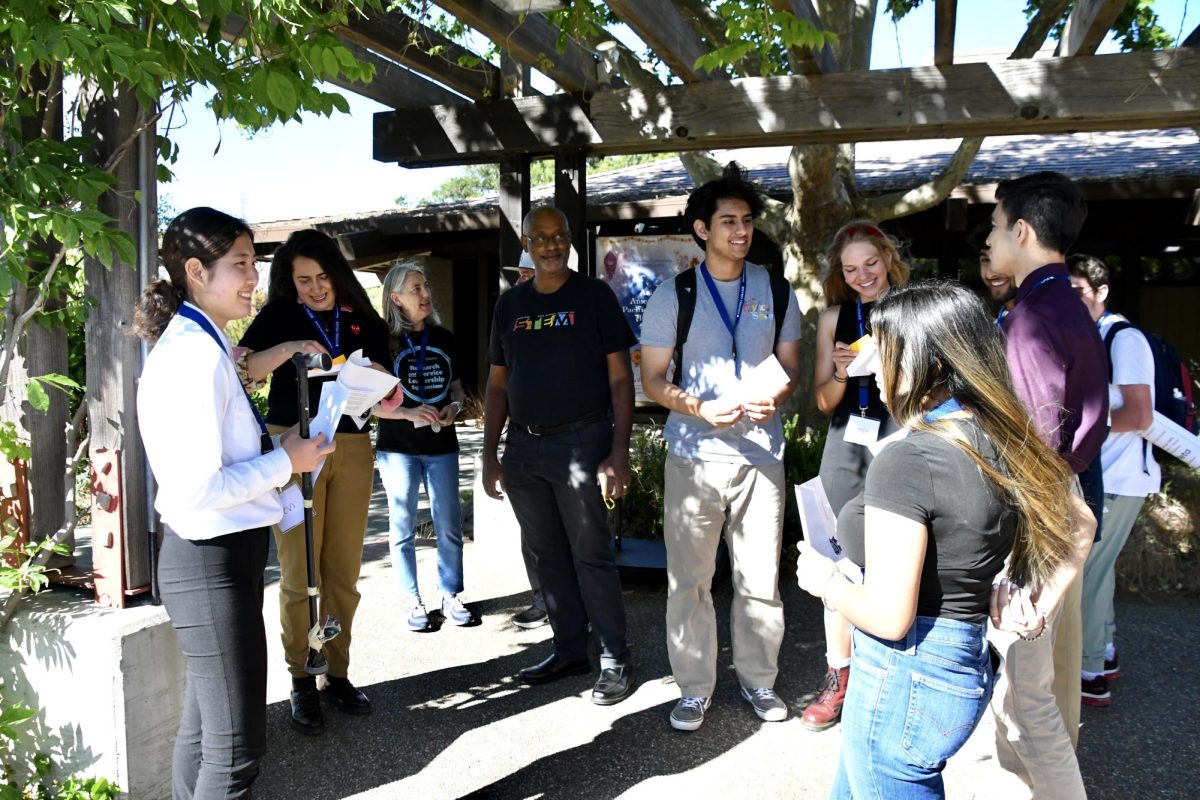
Don’t overlook the importance of showcasing the methodology of your research as a key part of your presentation. The audience (and the judges) don’t just want to hear your findings—they also want to understand how you achieved them. Last year, one of the most amazing presentations I saw was based on a series of interviews that the presenter had personally conducted. Yet, I only found out about this accidentally in the Q and A. Great as their presentation was, it would have had an even greater impact on me if I had known, from the beginning, how it was based on their own original research. Don’t hide the incredible research that went into your presentation!
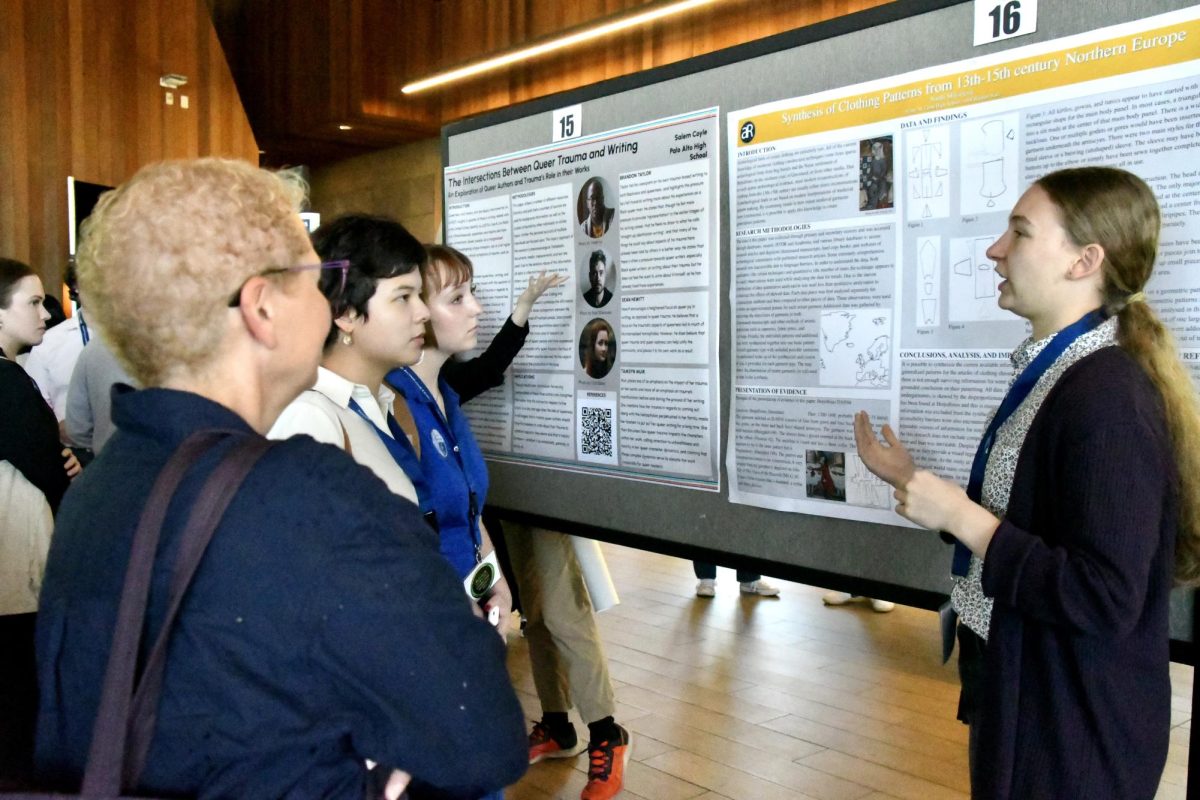
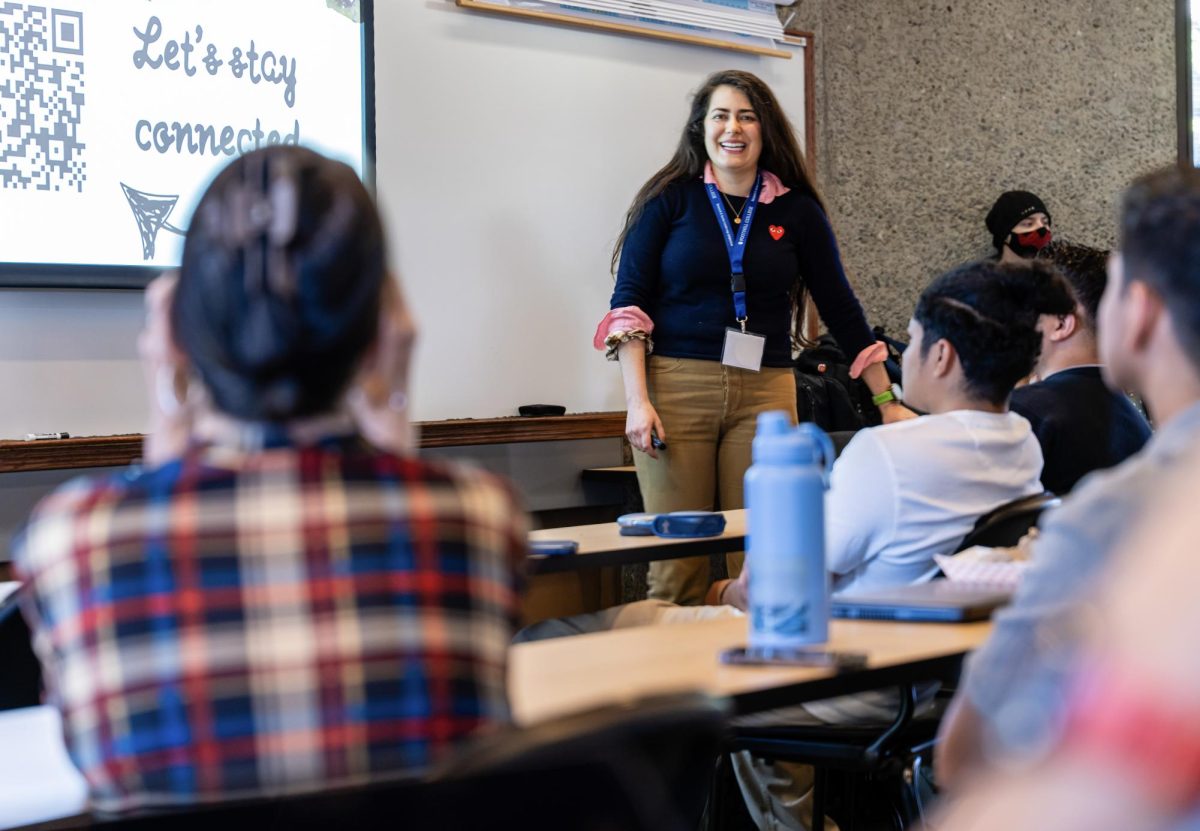
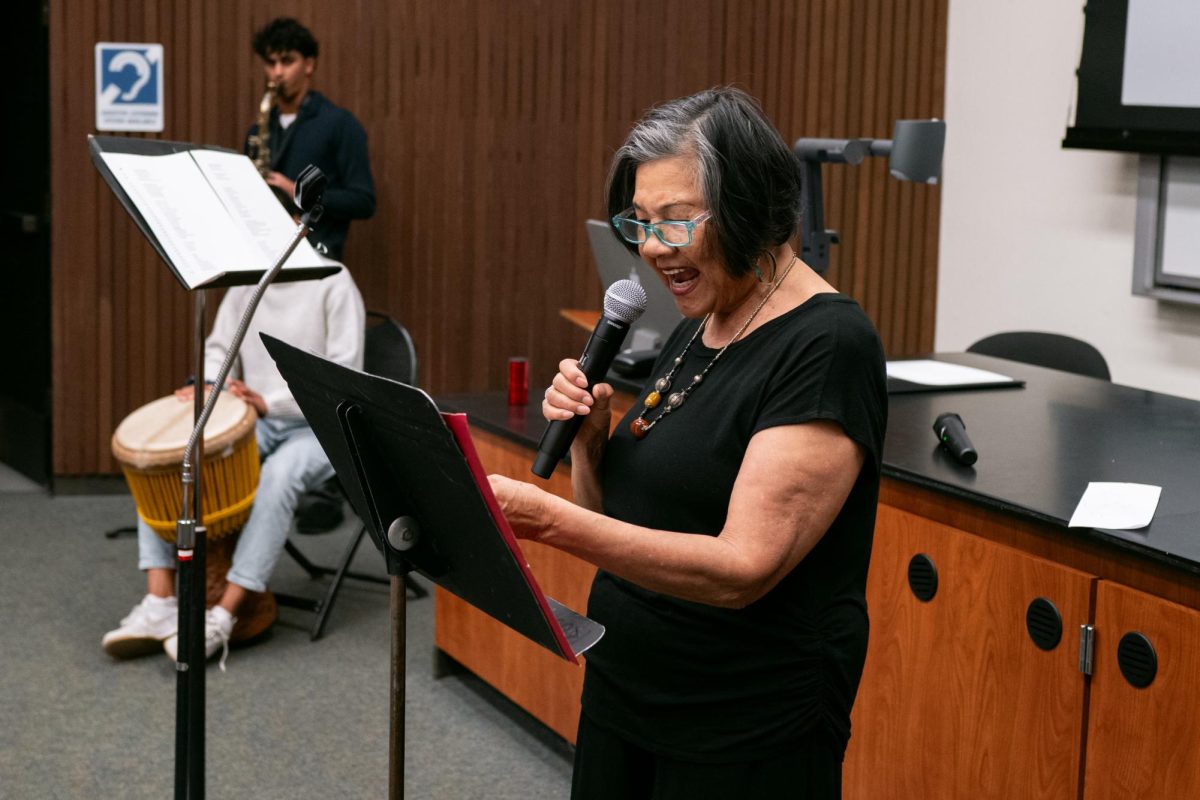
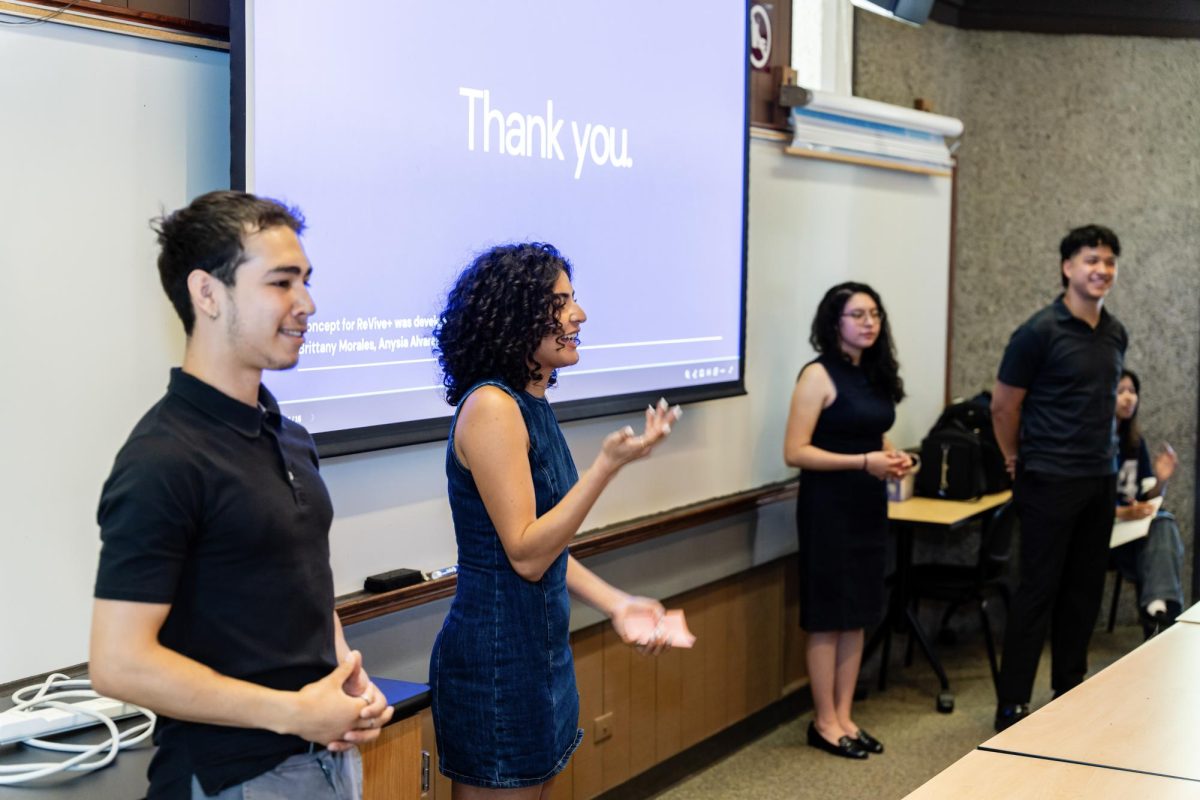
When I presented at RSLS last year, I was blown away by what an incredible and inspiring event the symposium is both for the attendees and presenters. Participants not only get a chance to showcase their work and platform a subject they’re passionate about, they also get wonderful practice in public speaking and an amazing accomplishment to add to their resumes or transfer applications. It is a day of celebration and learning at Foothill which is a joy to experience. I loved every minute of it last year and I will be presenting again this year. I hope to see you there!
The application deadline for RSLS is March 30 (Monday following the end of the winter quarter). Students interested in learning more or receiving project feedback can still sign up to attend the RSLS Application Success workshop, over Zoom, on Friday, March 27, 2026 from 12-1 p.m. (the last workshop before the deadline).
Will you be presenting at this year’s RSLS, or are there some presentations you’re already looking forward to seeing? Let us know in the comments below!